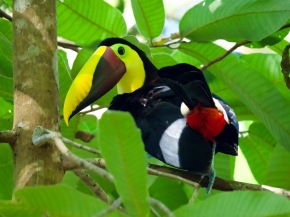
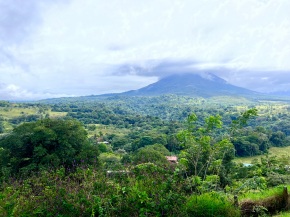
When I stumble upon a bird’s nest I’m always fascinated by how it’s constructed. Today, in fact, when Steve and I were out running errands we saw loads of barn swallows building nests on a building. We stopped and wikiSteve (that’s what I call him because he seems to know everything) explained how they spit out little pellets of mud to make their nest. (And wouldn’t that have been swell if I actually had a picture of one here, but I don’t. I didn’t have my camera with me at the time.)

I’m not a nest collector, even if the nest has been abandoned. I don’t believe in that. I find nests a little sacred because I consider my own home a little sacred. But I love taking photos of nests. And hey, they don’t move around like warblers and other birds that flit about, so I actually find great joy in having a subject that stays still.

Here are my favorite nests and some of the nest builders. (Click on each photo to enlarge. You’ll find great detail when you do that.)

Warbler’s nest (Rondeau Provincial Park, Ontario Canada)

Common Tody Flycatcher nest (Panama)

Common Tody Flycatcher with nest material (Panama)

Another shot of the Common Tody Flycatcher with nest material (Panama)

White-fronted Parrots and a Pale-billed woodpecker fighting over a nest hole. (Belize)

To read the story about who won the battle over the nest hole see my previous post, House wars: Pale-billed Woodpecker vs. White-fronted Parrots.

Anyone know who this nest might belong to? We’re not sure, ourselves. (Panama)

Bay-breasted Warbler with nest material, but this is an immature male in Panama. Not sure why he’s building a nest if he’s migrating. Perhaps practicing?

Casique nest (Panama)

Scarlet-rumped Casique nest (Panama)

Here’s a good look at the Scarlet-rumped Casique.

Olivaceous Flatbill with nest material. (Panama)

Montezuma Oropendola nests (Guatemala)

…and here’s what the Montezuma Oropendola looks like. (Guatemala)

Rufescent Tiger Heron collecting nest material. (Panama)

Dove nest – species unknown (Panama)

Great Horned Owl nest with Owlet (Garr Ranch, Antelope Island, Utah)

Great Horned Owl nest box (at Buffalo Paddock hay barn, Antelope Island)

I need another vacation. I know, I know. Panama was just a little over a month ago, but it seems like an eternity ago.

So, after a couple of tough weeks at the office where I ended up with a massive knot in my shoulder that seems to be radiating pain down to my finger tips, no amount of massage seems to have helped. The only solution left? Why, spend a day at Antelope Island!

The weather: Spectacular! Really no wind to speak of and none of those pesky midges that you accidentally end up swallowing. The temperature didn’t get over 76 degrees F. But the best part was the fantastic view of the new Great Horned owlets at Garr Ranch. They were hanging out in one of the trees over the picnic area, if you can believe that. They drew quite a crowd and I thank them for being in a bit of decent light. The mom was elsewhere snoozing–it is Mother’s Day weekend, natch. Mom deserves a rest.

Oh, and that shoulder of mine? Seems to be much better now.

We were able to see 76 species today. (But there’s only a 50 bird badge. Need a 75 bird badge.) List is below the photos. (Be sure to click on photo to enlarge.)

Brewer’s Blackbird singing his heart out.

Yellow-headed Blackbird

Peace at Antelope Island

Canada Geese

View of Wasatch Mountains from Antelope Island

Raven

Western Kingbird

California Gull–Utah’s state bird

A pair of Eared Grebes

Eared Grebes

More Eared Grebes

Eared Grebes as far as the eye can see

Bonaparte’s Gull

Chuckar

Barn Own sharing space in the same barn of a Great Horned Owl

The Great Horned Owl in the same barn with the Barn Owl

One of the many buffalo on Antelope Island

Male Great Horned Owl and two owlets

Aren’t they just cute?

One of the many antelope.

We totally need a 75 Bird Day badge. We got 76 today, but this badge will do.


Here’s our bird list for today. Two of them were lifers for me. The Barn Owl, believe it or not, and the Red Knot. (lifers in bold)

  1. Eared Grebe
  2. American White Pelican
  3. Double-crested Cormorant
  4. Canada Goose
  5. Mallard
  6. Gadwall
  7. Northern Shoveler
  8. Redhead Shoveler
  9. Lesser Scaup
  10. Northern Harrier
  11. Red-tailed Hawk
  12. Swainson’s Hawk
  13. Golden Eagle
  14. American Kestrel
  15. California Quail
  16. Chuckar
  17. Ringed-necked Pheasant
  18. Great Blue Heron
  19. White-faced Ibis
  20. Sandhill Crane
  21. American Coot
  22. American Avocet
  23. Black-necked Stilt
  24. Black-bellied Plover
  25. Killdeer
  26. Greater Yellowlegs
  27. Lesser Yellowlegs
  28. Willet
  29. Spotted Sandpiper
  30. Long-billed Dowitcher
  31. Wilson’s Phalarope
  32. Common Snipe
  33. Red Knot
  34. Pectoral Sandpiper
  35. Baird’s Sandpiper
  36. Least Sandpiper
  37. Semipalmated Sandpiper
  38. Western Sandpiper
  39. California Gull
  40. Ring-billed Gull
  41. Bonapart’s Gull
  42. Franklin’s Gull
  43. Mourning Dove
  44. Rock Dove
  45. Eurasian Collared Dove
  46. Great Horned Owl
  47. Barn Owl
  48. Common Flicker
  49. Western Kingbird
  50. Horned Lark
  51. Barn Swallow
  52. Cliff Swallow
  53. Common Raven
  54. Black-billed Magpie
  55. Rock Wren
  56. Sage Thrasher
  57. American Robin
  58. Loggerhead Shrike
  59. European Starling
  60. Yellow Warbler
  61. Orange-crowned Warbler
  62. House Sparrow
  63. Western Meadowlark
  64. Yellow-headed Blackbird
  65. Red-winged Blackbird
  66. Brewer’s Blackbird
  67. Brown-headed Cowbird
  68. Bullock’s Oriole
  69. House Finch
  70. Lesser Goldfinch
  71. Savannah Sparrow
  72. Grasshopper Sparrow
  73. Lark Sparrow
  74. Sage Sparrow
  75. Brewer’s Sparrow
  76. Song Sparrow

I was all prepared to post about nests. In fact, I was mostly done writing, but as I was transferring photos from the Nikon to the computer this morning–photos Steve took a couple weeks ago during a day-visit to Antelope Island–I took notice of some pretty nice shots he took, in particular this Barn Owl. (Which, guess what, I’ve still not seen one yet. Crazy, I know.) Steve’s work won over mine, in my opinion.

Barn Owl

Barn Owl

Barn Owl

Barn Owl

Oh, and there’s this awesome shot he got of this porcupine.

Porcupine

Isn’t my husband so cool?

When telling friends I was going to Panama to go birding, most of them thought Steve and I were going to be chasing down exotic birds like Toucans and Parrots. Of course, I always love to see those in the wild, but something that Panama  (along with the other countries in Central America) has is Tanagers. Best kept secret, I tell you.  (Well, that and the fact that cell phone service is crazy cheap there.)

The thing I love about Tanagers is that it’s like all the shoes in my closet.  I’ve got loads of them and they are essentially the same thing–shoes–but they all look totally different. They each have their own style. So finding all these Tanagers was a bit like shoe shopping for me.  (Don’t tell Steve.  I can just see his eyes rolling now.) There are the Cherrie’s Tanager, the Blue-gray Tanager, Summer Tanager, and the Red-legged Honeycreeper, which of course doesn’t have the Tanager name, but Steve tells me is in the Tanager family. And loads more, natch.

Blue-gray Tanager

I live in Utah and so I don’t see Tanagers that often–I’m lucky if the Western Tanager visits our feeders.  It’s like being stuck owning one pair of shoes.  A lovely pair of shoes, but only one pair.  Sigh. But I still have hope that a Western Tanager will visit when I’m actually home.  (I suspect they wait until I’m at work and visit.) But in Panama we saw a whole bevy of Tanagers and I couldn’t get enough of them.

My all-time favorite Tanager is the Blue-gray Tanager.  Every time I see this guy he’s always posing and pulls some of the most interesting expressions.

Oh, and by the way, Panama City just happens to have a Jimmy Choo store.  Now that makes this girl happy and it’s official–we can totally retire here.

Check out the gallery of Tanagers I have here.  Some shots are better than others. Sadly, I’m still a novice at taking photos.  I’m getting a little better each time, but I need to spend more time out in the field.

Question out there for all of you.  Which Tanager is your favorite?  You don’t need to choose from my gallery here.  Just wondering if any of you have a favorite Tanager you like to see.

Who doesn’t like hummingbirds?

They’re colorful, cute, the smallest of all the birds in the world, buzz around sounding like George Jetson, and can only be found in the Americas. Yep, that’s right. You won’t find one of these fellas buzzing around Europe or Africa.

And Panama has 59 different species of these guys.

Hummingbirds always seem to put a smile on the face of just about anyone.  They’re super fascinating with their sword-like bill, their iridescent colors and if you’re lucky to see, their territorial displays and fights.  The more aggressive hummers use their bills to fight off competition and we saw a few fallen ones several years back when we were marveling at some fighting over some feeders in Costa Rica.

When we were in Panama the last couple of weeks we didn’t see all 59 species, but we saw 26–just about half. And that’s not bad since we were only on the Western half of Panama.

I’d love to have the metabolism of a hummingbird. In just one hour after Ito, our guide in the Cerro Punta area, had refilled one of the feeders at the cabins at Los Quetzales, it was 1/2 empty.  Yet, these little guys don’t appear to be slowed down as much as I am after having a big dinner, (like the big Easter brunch I just finished). Maybe if I were flapping my tiny wings a gazillion times a minute I’d be thirsty too.

Now, I’m not a super exceptional photographer, but I try to practice a lot and hummingbirds give me loads of good practice and material.  Hummingbirds, believe it or not are pretty easy to capture–easier than, say, warblers.  Warblers don’t sit still for one moment.  Hummingbirds, on the other hand, often cue up nearby the feeders on a tree  branch like good little soldiers, giving me terrific opportunities for getting a nice photo. And if the sun is shining just right, I can get some great shots of the iridescent colors these birds are known for.

You’ve just got to be careful not to get in their flight path and it gets really crazy when there are dozens or so (or even 20 or so as it was in several cases on our trip) when they fly right over your shoulder.  To hear them whiz by right next to your ear is both exciting and scary at the same time.

Here are my favorites from our Panama trip of last week and the week before.  Now that I’ve had a chance to sort through them all (I had close to 200 of just hummingbirds), they are ready for your enjoyment  Be sure to click on them to enlarge.

Violet Sabrewing

Violet-headed Hummingbird

Purple-throated Mountain Gem – female

Violet Sabrewing

Black-bellied Hummingbird

Violet-headed Hummingbird

Violet-headed Hummingbird

White-throated Mountain Gem

Violet Sabrewing

Violet-headed Hummingbird

Violet-headed Hummingbird

Green Violet Ear and flowers

White-necked Jacobin displaying

Black-throated Mango

White-necked Jacobin

Blue-chested Hummingbird

Green Violet Ear

Violet Sabrewing – female

Purple-throated Mountain Gem

I hate goodbyes.

We said “goodbye” to Ito in Cerro Punta, said “goodbye” to Beny yesterday after our last birding day with him and tomorrow we’ll be leaving Panama early and saying “goodbye” to a country that has been beautiful, diverse, friendly, adventurous, and all those other words that are easy to grasp.
But most of all, I’ve found Panama to be more like home. I mean that it feels like home. Maybe it’s because they use the U.S. Dollar here, or maybe because the U.S. was present here for so long.

It’s pretty easy to find the little necessities we’ve grown fond of while traveling: Coca Cola (Lite for me), Oreos (why, all of a sudden am I into Oreos?), Red Bull, and Nature Valley granola bars. But we’ve also discovered some new things we love: these little cookies/crackers we found in Cerro Punto that are nothing more than sugar, flour and butter and packages in a little cellophane bag, tied at the top. I could easily eat a whole bag (and almost did). And these great apples that are called Water Apples, which once you’ve taken your first bite, drip with wateriness and is a welcome relief in the humid and hot temps of Panama while birding:

20120401-105733.jpg

20120401-105805.jpg

But it’s not all just about the food. I’ve found the people to all be warm and friendly and try to be as helpful as they can. Panamanians are proud of their birds. People in the regions we visited would point out a unique bird–they know that birds are special in their country and know that people from around the world come to Panama to see their birds.

Steve thinks I’m going to change my mind about moving here once we visit the next country, since he says I want to move to every place where we vacation. But I can totally see us retiring here–what a fantastic jumping off point to see other parts of the world, especially South America, which we have ventured to yet.

With all that said, let me give yesterday’s report. I believe all our diving and birding and bus rides and taxi adventures has taken a toll on us. Well, that and the very hot and humid temperatures. It was a very hot day and Steve and I were moving slowly. Poor Benny. I think he was a little saddened by the fact that he got us at the end of our journey and we were dragging as we’re just not used to this heat.

It was a slow day. We were hot and the birds were hot. We birded around the Gamboa Resort, the Pipeline Road again, but a different trail (further down than three days ago) and then around the Radisson Hotel in Gamboa in the late afternoon where we saw tons of hawks overhead, which decided to rest for the night in the forest right behind the Radisson.

Once I saw the Radisson’s two pools I counseled with Steve and we decided to forego our last night at the Canopy B&B and stayed last night at the Radisson instead. So glad we did. And I recommend to all birders out there who are planning a trip to Panama and the Gamboa region that if you find the Canopy Tower too pricey (it is) then your next bet should be the Radisson. Ask for the 4th, 5th or 6th floor with a forest view. This morning we awoke to  hawks rising from the forest behind us in the thousands and it was a site to behold. Plus, you can cool off in the pools. Food is pretty good, especially the breakfast buffet, which should sustain you. There is also an ATM in the lobby, which is very convenient since there are no services around for miles and miles away.

Yesterday I asked Beny why people don’t say “adios” to each other. When I took Spanish in high school one of the first lessons we had was that “adios” meant “goodbye.”

“Adios is when you’re not going to see each other for a long, long time,” Benny taught me.

Hopefully it won’t be long before we say, “Hola!” to Panama again.

————————–

Here’s our list from yesterday. 87 species and only 7 lifers. The lifers are in bold. More photos at the end.

Magnificent Frigate Bird
Rufescent Tiger Heron (immature)
Turkey Vulture
Black Vulture
Osprey
Mississippi Kite (new for me; Steve’s already seen it)
Broad winged Hawk
Swainson’s Hawk
White throated Crake
Common Moorhen
Southern Lapwing
Wattled Jacana
Royal Tern
Rock Dove
Pale vented Pigeon
Scaled Pigeon
White tipped Dove
Ruddy Quail Dove
Orange chinned Parakeet
Blue headed Parrot
Red lored Parrot
Mealy Parrot
Squirrel Cuckoo
Spectacled Owl
Chimney Swift
Short tailed Swift
Garden Emerald (hummingbird)
Sapphire throated Hummingbird
Rufous tailed Hummingbird
Blue Chested Hummingbird
White throated Plumelteer
Black tailed Trogon
Blue crowned Motmot
Ringed Kingfisher
Amazon Kingfisher
Chestnut Mandibled Toucan
Keel billed Toucan
Red crowned Woodpecker
Black cheeked Woodpecker
Crimson crested Woodpecker
Barred Antshrike
White Bellied Antbird
Yellow bellied Tyrannulet
Yellow Tyrannulet
Common Tody Flycatcher
Panama Flycatcher
Dusky capped Flycatcher
Lesser Flycatcher
Great Kiskadee
Social Flycatcher
Gray capped Flycatcher
Streaked Flycatcher
Tropical Kingbird
Eastern Kingbird
Cinnamon Becard
Purple fruit crow
Yellow green Vireo
Mangrove swallow
Southern rough winged Swallow
Barn Swallow
Gray breasted Martin
Black bellied wren
Bay Wren
Rufous breasted Wren
Buff breasted Wren
House Wren
Clay colored Thrush
Chestnut sided Warbler
Northern Water Thrush
Rosy Thrush Tanager
White shouldered Tanager
Crimson backed Tanager
Palm Tanager
Golden hooded Tanager
Red legged Honey Creeper
Streaked Saltator
Blue black Grassquit
Variable Seedeater
Thick billed Seed finch
Blue Black Grosbeak
Giant Cowbird
Great tailed Grackle
Baltimore Oriole
Scarlet rumped Cacique
Yellow rumped Cacique
Thick billed Euphonia

And a big ass locust

20120401-113947.jpg

Blue Black Grosbeak

20120401-114106.jpg

20120401-114537.jpg

So tired. Feet are hurting. I’ve got what seems like a gazillion mosquito bites (Why don’t they ever attack Steve?), and I’d love to skip today’s report. But I’m committed to all you readers out there.

We started the day at the famous Canopy Tower. Previously known as Semaphore Hill, the Tower was used as a signal hill for the U.S. Military during the time the U.S. occupied the Canal Zone. now it has lodging for guests and caters primarily to birders. We visited the top level this morning and enjoyed the cool breeze and canopy top views as we watched hundreds of raptors migrating North.

We then heard about some army ants that were spotted nearby so we went looking for them. Why, you ask? (Trust me, I had the same question.) Turns out, where there are army ants there will be birds that specialize in following them, because ants stir up bugs and the birds like the bugs.

Steve, especially was excited about the army ants. He’d never seen them, but knew all about them since he’s what I call WikiSteve. I actually think he spent more time looking at the ant colonies than he did the birds. I looked at the ant trails too, but that’s because I thought I was going to die. They were all over the place and I’m sure they would have devoured me immediately. The mosquitos have, why not the ants too?

So, we can all check off army ants on our bucket lists.

Speaking of lists, here’s today’s list. Broke another personal best of species in one day: 125; Only 26 lifers today. I guess lifers would have to slow down at some point. Again, I apologize for typos. I blame the iPad. And just a few select photos at the bottom. I’ll be posting a bigger selection of photos from this trip after I get home from holiday. Lifers are in bold.

Gray headed Chacalaca
Anhinga
Magnificent Frigate Bird
Green Heron
Boat billed Heron
Black Vulture
Turkey Vulture
King Vulture
White Hawk
Zone tailed Hawk
Broad winged Hawk
Swainson’s Hawk
Red tailed Hawk
Black Hawk Eagle
Crested Caracara
Southern Lapwing
Wattled Jacana
Unknown Tern (Royal? We couldn’t tell, as setting sun was in our eyes)
Rock Dove
Pale vented Pigeon
Scaled Pigeon
Ruddy Ground Dove
White tipped Dove
Orange chinned Parakeet
Blue headed Parrot
Mealy Parrot
Squirrel Cuckoo
Spectacled Owl
Chimney Swift
White necked Jacobin (hummingbird)
Scaly breasted Hummingbird
Garden Emerald (hummingbird)
Sapphire throated Hummingbird
Snowy bellied Hummingbird
Rufous tailed Hummingbird
Violations Trogon
Black throated Trogon
Black tailed Trogon
Slaty tailed Trogon
Rufous Motmot
Broad billed Motmot
Ringed Kingfisher
Amazon Kingfisher
Green Kingfisher
White necked Puffbird
Black breasted Puffbird
Collared Aracari
Keel billed Toucan
Red crowned Woodpecker
Cinnamon Woodpecker
Lineated Woodpecker
Crimson crested Woodpecker
Buff throated Foliage Gleaner
Plain brown Woodcreeper
Northern barred Woodcreeper
Ruddy Woodcreeper
Cocoa Woodcreeper
Western slaty Antshrike
Checkered throated Antwren
White flanked Antwren
Dot winged Antwren
Dusky Antwren
White bellied Antwren
Spotted Antbird
Bicolored Antbird
Ocellated Antbird
Black faced Ant thrush
Brown capped Tyrannulet
Yellow Tyrannulet
Olive striped Flycatcher
Common Tody Flycatcher
Olivaceous Flycatcher
Black tailed Flycatcher
Bright rumped Attila
Panama Flycatcher
Lesser Kiskadee
Great Kiskadee
Social Flycatcher
Gray-capped Flycatcher
Tropical Kingbird
Eastern Kingbird
Southern Bentbill
Fork tailed Flycatcher
Purple throated Fruitcrow
Lance tailed Manakin
Red capped Manakin
Lesser Greenlet
Mangrove Swallow
Bank Swallow
Southern rough winged Swallow
Barn Swallow
Gray breasted Martin
Black bellied Wren
Rufous breasted Wren
House Wren
White breasted wood wren
Clay colored Thrush
Tropical Mockingbird
Chestnut sided Warbler
Bay breasted Warbler
Gray headed Tanager
White shouldered Tanager
Crimson backed Tanager
Blue Gray Tanager
Palm Tanager
Plain colored Tanager
Red legged Honeycreeper
Streaked Saltator
Bufff throated Saltator
Blue black Grassquit
Variable Seedeater
Orange billed Sparrow
Summer Tanager
Scarlet Tanager
Red crowned Ant Tanager
Rose breasted Grosbeak
Indigo Bunting
Giant Cowbird
Great tailed Grackle
Yellow tailed Oriole
Scarlet rumped Cucique
Chestnut headed Oropendola
Yellow crowned Euphonia
Thick billed Euphonia
Fulvous vented Euphonia
Lesser Goldfinch


Not a great photo, but you get the idea of all the migrating raptors that’s going on right now. Huge numbers!

20120330-215153.jpg

20120330-215226.jpg

20120330-215255.jpg


Another crummy photo, but this of the army ants. They were building bridges with leaves and such. And I’m sure plotting my death too.

20120330-215335.jpg

20120330-215405.jpg

20120330-215431.jpg


The Canopy Tower.

20120330-215513.jpg

20120330-215547.jpg

20120330-215632.jpg

I’ve lost track of the days while here in Panama. Is it Wednesday? Thursday? Or is it a Tuesday? I honestly don’t know. When we picked up the car in Gamboa yesterday the man who speaks “un poquito Ingles” asked me what day we were to return the car. At least I think thats what he was asking. I speak “un poquito Espanol,” myself. I honestly stood there and blankly looked at him and then turned to my husband with the same blank stare, looking for the answer. Turns out the answer I was looking for was “Domingo.” Sunday. The day before this adventure comes to an end.

But to end the suspense for you, today, it turns out, is Thursday. And boy was it ever a great Thursday! we broke our record and today saw 111 species and gained 61 new lifers to add to our list. (I also predict that I lost about 10 liters of water, as it was around 95 degrees Fahrenheit today with 90%+ humidity. While I appreciate the wonders it’s doing for my skin, this desert girl just can’t drink enough water.)

Gamboa is very different from the cloud forest of Cerro Punta where we’d been the past five days. It’s right next to the Panama Canal locks and the area is in the Canal Zone where many people from the US lived while the US had its presence here. In fact the B&B where we’re staying–part of the Canopy Tower family of properties–is a renovated home typical of that era. It’s not as mountainous or even hilly here like Cerro Punta. And it’s so hot and humid it just slows me down. It’s a completely different climate.

Venicio or “Beny” as he’s called is our guide for the next three days. I adore him. He keeps my husband and I in stitches as we search for birds. As a Panamanian local he also gives us quite a bit of detail on the area, which I always love. I’ve said it before and I’ll say it again here: Steve and I prefer the local guides rather than tours offered by outsiders. As a guest in their country I’d rather support those who live here and who really know the locations of the birds and they have more respect for the area. It’s not to say that all outsiders are disrespectful, but there’s a certain passion local bird guides have and that passion extends beyond just birding. They are passionate about their country and also add a certain flavor an outsider just can’t bring, like where all the great places are to eat.

Okay, here’s our list. Buckle your seat belts and be prepared for today’s awesome report. We birded the well-known Pipeline Road, the Ammo Ponds and spent some time at the observatory Tower at Pipeline Road in the late afternoon when it was cooler. (Mid day called for a mandatory siesta since it was so stinking hot.)

Drumroll please: 111 total species today. 61 lifers for Steve and I. Lifers are in bold. A few select photos at bottom, just to rub it all in some more.

(Apologies in advance for any misspellings or other name errors. I’m trying to read Steve’s handwriting and he’s gone to bed with the book, so I can’t double check and don’t want to walk upstairs to our room. Call me lazy. I’m pooped too.)

Little Tinamou
Gray head Chacalaca
Least Grebe
Pied billed Grebe
Rufescent Tiger Heron
Great Egret
Striated Heron
Black Vulture
Turkey Vulture
Osprey
Broad winged Hawk
Yellow headed Caracara
White throated Crake
Common Moorhen
American Coot
Wattled Jacana
Rock Dove
Pale vented Pigeon
Scaled Pigeon
Ruddy Ground Dove
White tipped Dove
Blue headed Parrot
Red Lored Parrot
Yellow crowned Parrot
Mealy Parrot
Squirrel Cookoo
Pheasant Cookoo
Spectacled Owl
Common Pauraque
Short tailed Swift
Green Hermit (hummingbird)
Long billed Hermit (hummingbird)
Rufous breasted Hermit (hummingbird)
Stripe throated Hermit (hummingbird)
White necked Jacobin (hummingbird)
Black throated Mango (hummingbird)
Violet bellied Hummingbird
Rufous tailed Hummingbird
Blue chested Hummingbird
White tailed Trogon
Violaceous Trogon
Black Tailed Trogon
Broad Billed Motmot
Ringed Kingfisher
White necked Puffbird
Pied Puffbird
Keel billed Toucan
Chestnut Mandibled Toucan
Cinnamon Woodpecker
Lineated Woodpecker
Buff throated Foilage Gleaner
Scaly throated Leaftosser
Ruddy Woodcreeper
Cocoa Woodcreeper
Fasciated Antshrike
Barred Antshrike
Plain Antvireo
Checker throated Antwren
Dot winged Antwren
Black faced Ant thrush
Brown capped Tyrannulet
Ochre bellied Fly catcher
Common Tody Flycatcher
Olivaceous Flatbill
Royal Flycatcher
Yellow margined Flycatcher
Black tailed Flycatcher
tropical Peewee
Bright rumped Attila
Panama Flycatcher
Lesser Kiskadee
Great Kiskadee
Rusty margined Flycatcher
Social Flycatcher
Gray capped Flycatcher
Boat billed Flycatcher
Streaked Flycatcher
Piratic Flycatcher
Tropical Kingbird
Eastern Kingbird
Southern Bentbill
Cinnamon Becard
Masked Tityra
Golden collard Manakin
Yellow green Vireo
Brown capped Vireo
Golden fronted Greenlet
Green shrike Vireo (Not a rare bird but a RARE FIND as it is very difficult to see and not a lot of people get to see this fella. We got an excellent look at him since he came out in the open and I got a great photo.)
Mangrove Swallow
Bank Swallow
Northern rough winged Swallow
Barn swallow
Rufous breasted Wren
White breasted Wood Wren
Black bellied Wren
Long billed Gnatwren
Tropical Gnatcatcher
Tropical Mockingbird
Magnolia Warbler
Bay breasted Warbler
Northern Waterthrush
White shouldered Tanager
Crimson backed Tanager
Blue Gray Tanager
Plain colored Tanager
Golden hooded Tanager
Scarlet thighed Dacnis
Blue Dacnis
Red legged Honeycreeper
Buff throated Saltator
Red crowned Ant Tanager
Great Tailed Grackle
Yellow backed Oriole
Yellow Tailed Oriole
Scarlet rumped Cacique
Yellow rumped Cacique

20120329-221301.jpg

20120329-221328.jpg

20120329-221356.jpg

20120329-221449.jpg

20120329-221543.jpg

20120329-221637.jpg

20120329-221650.jpg

Last night after we finished dinner I could hardly drag myself back to the suite, as I was so tired. We had another wonderful day birding, this time at Lagunas and then Barillas Archeological site, which was reported to National Geographic in 1944. Got lots of birds, which you’ll see below, followed by some photos.

So, as much as I wanted to write my report, I just crawled into bed and let Steve have the iPad to check his email, since I’m the one usually hogging it. It was great getting nine hours of sleep, and after our breakfast we were about to take off, leaving wonderful Cerro Punta, but the rental car would not start. The battery is fine, but something is wrong with the electrical. We had planned to explore by car the Boquete area, since a lot of Canadian and US expats have retired there. Since we’re serious about retiring here and it’s only an hour away it seemed only logical to swing by on our way to the airport in David.

But we need a car in order to do that. Well, one that actually works, so change of plans.

Right now we’re sitting in front of a toasty fire, listening to classical music in the library at Los Quetzales Lodge, where we’ve been staying. (If you’re ever birding in Panama you MUST stay here!) And no better time for me to report yesterday’s birds than right now as we wait for Alamo to come fetch us.

Same drill as previous days. Here’s all our birds we saw yesterday with the bold ones identified as lifers. 105 total and 36 lifers for both Steve and me combined; 39 lifers just for me.

Blue-winged Teal
Least Grebe
Pied-billed Grebe
Cattle Egret
Green Heron
Black Vulture
Turkey Vulture
Osprey
Swallow-tailed Kite
Swainson’s Hawk
Broad-winged Hawk
Roadside Hawk
Yellow-headed Caracara
White-throated Crake
Common Moorhen
American Coot
Rock Dove
Scaled Pigeon
Ruddy Ground-Dove
White-tipped Dove
Chiriqui Quail Dove
Squirrel Cookoo
Mottled Owl
Green Hermit
Bronzy Hermit
Stripe-throated Hermit
Violet Sabre Wing Hummingbird
Green Violet Ear Hummingbird
Violet-crowned Wood Nymph (Hummingbird)
Rufous-tailed Hummingbird
White-throated Hummingbird
Magnificent Hummingbird
Collard Trogan
Blue-crowned Motmot
Red-crowned Woodpecker
Smokey-brown Woodpecker
Pale-breasted Spinetail
Slaty Spinetail
Red-faced Spinetail
Spotted Barbtail
Ruddy Treerunner
Buff-throated Foilage Gleaner
Olivaceous Woodcreeper
Plain Antvireo
Yellow Tyrannulet
Greenish Eluenia
Lesser Eluenia
Scale-crested Pygmy-Tyrant
Common Tody Flycatcher
Slate-headed Tody Flycatcher
Tropical Peewee
Bright-rumped Atilla
Dusky-capped Flycatcher
Great Kiskadee
Social Flycatcher
Tropical Kingbird
Masked Tityra
Lesser Greenlet
Black-chested Jay
Blue and White Swallow
Gray-breasted Martin
Plain Wren
House Wren
White-breasted Wood Wren
Gray-breasted Wood Wren
Orange-billed Nightingale Thrush
Ruddy-capped Nightingale Thrush
Clay-colored Thrush
White-throated Thrush RARE BIRD! (We got a great look at him through Ito’s scope, but too far for me to get a decent photo.)
Golden-winged Warbler (New for me, but not new for Steve.)
Tennessee Warbler
Flame-throated Warbler
Tropical Parula
Chestnut-sided Warbler
Worm-eating Warbler
Black and White Warbler
American Redstart
Prothonotary Warbler
Northern Waterthrush
Slate-throated Redstart
Collared Redstart
Mourning Warbler (New for me, but not new for Steve.)
Masked Yellow Throat
Wilson’s Warbler
Golden-crowned Warbler
Rufous-capped Warbler
Common Bush Tanager
Cheerie’s Tanager
Blue Gray Tanager
Palm Tanager
Silver-throated Tanager
Bay-headed Tanager
Scarlet-thighed Ducnis (New for me, but not new for Steve.)
Buff-throated Saltator
Slaty Flower Piercer
White-naped Brush Finch
Black-striped Sparrow
Summer Tanager
Flame-colored Tanager
White-winged Tanager
Red-crowned Ant Tanager
Eastern Meadowlark
Great-tailed Grackle
Three-striped Warbler

20120328-101619.jpg20120328-101644.jpg20120328-101707.jpg20120328-101731.jpg20120328-101807.jpg

20120328-101939.jpg

20120328-101957.jpg

20120328-102032.jpg

20120328-102212.jpg

20120328-102227.jpg

Ito was an awesome guide for our three full days of birding. I highly recommend him.

HUGE day birding today. We’re still in the Chiriqui province near Cerro Punta. Ito took us to Hartman’s Coffee Farm in the area where there are loads of trees. The plantation is the only coffee plantation in the area that grows its coffee using shade of banana and plantain trees. There are loads of other trees on the farm as well.

It was a very active morning due to the very early rain. Speaking of early, we got up at 4:30 this morning so we could meet Ito at 5:30. Good thing we did. It took us an hour to get to the farm and once we got there the sun was just rising and there were birds aplenty.

I didn’t think we could top yesterday’s number, but we easily did. We got 104 birds today, including 55 lifers! Here’s the report and a few photos follow (Lifers are in bold):

Black Vulture
Turkey Vulture
Swallow-tailed Kite
Roadside Hawk
Short-tailed Hawk (first time for me; Steve’s already seen this guy)
Swainson’s Hawk
Barred Forest-Falcon
Yellow-headed Caracara
Rock Dove
White-tipped Dove
Chiriqui Quail-Dove
Crimson-fronted Parakeet
Brown-throated Parakeet
Blue-headed Parrot
Squirrel Cookoo
Vaux’s Swift
Green Hermit Hummingbird
Bronze Hermit Hummingbird
Stripe-throated Hummingbird
Scaly-breasted Hummingbird
Green Violet Ear Hummingbird
Garden Emerald Hummingbird
Rufous-tailed Hummingbird
Charming Hummingbird
White-throated Mountain Gem Hummingbird
Green-crowned Brilliant Hummingbird
Magnificent Hummingbird
Blue-crowned Motmot (One of my faves! first saw this guy in Belize)
Fiery-billed Aracari
Chestnut Mandibled Toucan
Red-crowned Woodpecker (this is the one Steve saw yesterday and I didn’t, but today I saw him!)
Pale-breasted Spine Tail(I didn’t see this guy, but Steve did)
Ruddy Tree Runner
Lineated Foilage Gleaner
Spotted Woodcreeper
Wedge-billed Woodcreeper
Streak-headed Woodcreeper
Spot-crowned Woodcreeper
Plain Antvireo
Lesser Elaenia
Yellow-bellied Elaenia
Scale-crusted Pygmy-tyrant
Common Tody-Flycatcher
Tropical Peewee
Yellow-bellied Flycatcher(This was new to me. Steve knows this guy from Canada)
Yellowish Flycatcher
Black Phoebe
Dusky-capped Flycatcher
Great Kiskadee
Social Flycatcher
Boat-billed Flycatcher
Piratic Flycatcher
Tropical Kingbird
Barred Becard
Masked Tityra
Yellow-throated Vireo (New for me, not new for Steve)
Brown-capped Vireo
Blue and White Swallow
Southern Rough-winged Swallow
Rufous-breasted Wren
House Wren
Orange-billed Nightingale Thrush
Clay colored Thrush
Flame-throated Warbler
Chestnut-sided Warbler
Black Burnian Warbler
Yellow-throated Warbler
Bay-breasted Warbler (Again, new for me, but not new for Steve.)
Wilson’s Warbler
Buff-rumped Warbler
Gray-headed Tanager
Cheerie’s Tanager(New for me, but old for Steve)
Blue Gray Tanager
Palm Tanager
Speckled Tanager
Bay-headed Tanager
Golden-hooded Tanager
Scarlet-thighed Dacnis(Steve saw this, but I didn’t.)
Blue Dacnis
Green Honeycreeper
Buff-throated Saltator
Yellow-faced Grassquit
Yellow-thighed Finch
Orange-billed Sparrow
Sooty-faced Finch
Chestnut-capped Brush Finch
Stripe-headed Brush Finch RARE BIRD! (And I didn’t see it. Steve did. Super bummed.)
Summer Tanager
House Sparrow
Eastern Meadowlark
Great-tailed Grackle
Crested Oropendola
Yellow-crowned Euphonia
Thick-billed Euphonia
Yellow-throated Euphonia
Elegant Euphonia (This was new to me. Not new to Steve.)
Lesser Goldfinch
Flame-colored Tanager
Cattle Egret
Rufous-collared Sparrow
Plain Chacalaca
Torrent Tyrannulet

And after reviewing photos this evening I showed this photo to Steve to confirm what it was and he can’t ID it. I must have shot this when he and Ito were looking at a tree of warblers. I’ll be showing it to Ito tomorrow, but if anyone has a guess, let me know. I’ll report back tomorrow with the news.

20120326-223311.jpg

Here are a few more photos from today:

20120326-223505.jpg

20120326-223531.jpg

20120326-223554.jpg

20120326-223623.jpg

20120326-223708.jpg

20120326-223749.jpg

20120326-223834.jpg

20120326-224007.jpg

Enter your email address to follow this blog and receive notifications of new posts by email.

Join 136 other followers

Check out my Accidental Birding board on Pinterest

Follow Me on Pinterest

Accidental Tweeter

Fat Birder

Fatbirder's Top 1000 Birding Websites

Nature Blog Network

Nature Blog Network
Follow

Get every new post delivered to your Inbox.

Join 136 other followers